

Live Blood Analysis
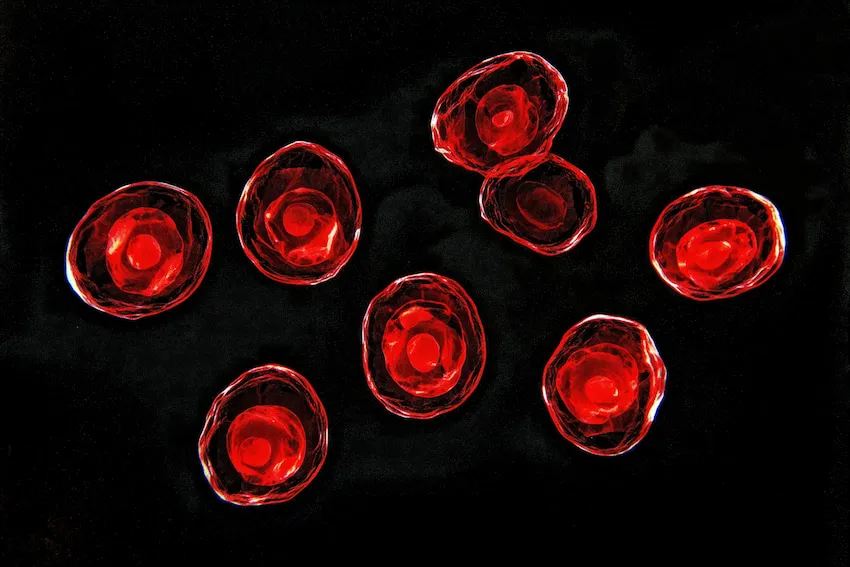
Live Blood Analysis offers a real-time look at a small sample of blood under a microscope, helping identify patterns that may support conversations around nutrition, hydration, and lifestyle habits.
Wellness Starts with Awareness
Live Blood Analysis
Article featured in Wetaskiwin Times
Maybe you actually are what you eat
By Lindsay Morey, Staff Writer
Tuesday, February 25, 2014
Holistic nutritionist Wendy Vandenhoven creates a diet, lifestyle, and supplements chart for the Type A dry blood sample displayed on the TV screen.
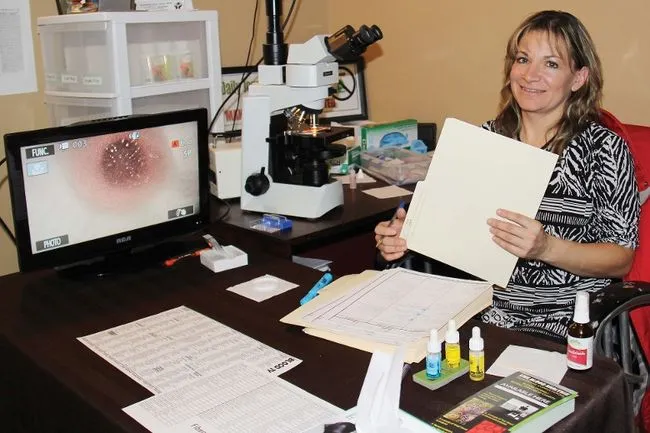
Following a heart-breaking search to locate any red blood cells in a blood sample, Wendy Vandenhoven watched her mother’s magnified cells decompose on a TV screen in front of her.
Her mother had chronic myelogenous leukemia (CML); cancer within white blood cells.
After watching what her mother went through, she wanted to make live blood analysis more available to the public and she wanted to study it.
“When something like that happens and there are no answers, it makes you realize that you need to start to treat your body better before it reaches that point. It was my first view of how reflective this is to what is actually going on inside of the body,” she said.
After practicing as a registered holistic nutritionist since 2008 and live blood analysis for three years, Vandenhoven is now bringing this alternative medicine to Wetaskiwin.
The live blood analysis reflects how what we eat and how we live affects everything on the inside. It helps to determine an optimal diet with aid of enzymes, herbs, antioxidants, and more.
The service is available at Shanti Wellness for a cost of $80 for the first consultation and $50 for follow-ups.
Vandenhoven’s clients are everyday people who have something minor that a doctor hasn’t been able to address, such as a chronic stomach ache or rash.
She said the reasons vary as to why people want to get the analysis; some want to lose weight, some are scared because a family member died, some have cancer, while others want to feel healthier in general.
The Analysis
Two samples of blood are examined: one live sample and one dried-blood sample.
Clients are given a list of tested foods that should be eaten according to their blood type.
Vandenhoven said the 30,000-times magnified live blood sample can show things such as:
- Parasites
- Candida
- Bacteria
- Aggregation
- Fume or chemical exposure
- Viruses
- Fat, protein, and carbohydrate digestion
From the dry sample, Vandenhoven can identify:
- Nutrient absorption
- Organ stress
- Inflammation
- Muscle issues
According to Vandenhoven, these are the diets which each blood type should follow:
Type O (-/+)
“The caveman” diet
Includes:
- Vegetables
- Fruits
- Nuts
- Seeds
- Meat
As Type O ancestors were hunter/gatherers, their stomach acid can tolerate and digest meat easier compared to other blood types.
They should eat less grains and dairy.
Type A (-/+)
“The vegetarian” diet
People should try to limit the amount of animal products like red meats, beef, and pork in their diet, as well as grains.
Chicken, turkey, and fish are favoured.
Type A diets also include:
- Vegetables
- Fruits
- Nuts
- Seeds
- Beans
Type B (-/+)
Type B is considered the complete opposite of Type A.
These people can tolerate a lot of meat, but the two red flags are consuming chicken and corn, as Type B blood conflicts with the lectins in those particular foods.
Vandenhoven said if B-types eat in moderation, they have the easiest diet to follow.
Type AB
Type AB is a combination of Type A and B and is considered to be the hardest diet to follow, as it is extremely limited meat-wise; only fish, turkey, and goat are recommended.
It’s what’s on the inside that counts
“What the analysis is telling you is that every meal counts,” said Vandenhoven.
She agrees no one’s diet is perfect, but if we do have a cheat meal, we should follow up with four days of clean eating to undo the damage done to our cells.
She suggests following the 80/20 rule:
- 80% of the food you eat is healthy
- 20% can be cheat food
Of course, moderation is important, especially with high-fat foods.
She says it’s best to look at your plate in quarters:
- Three quarters filled with vegetables or fruits
- One quarter protein
This approach balances alkaline and acidity levels. The more acidic (animal and processed foods) there is in a diet, the more decreased ability the body has to absorb nutrients and minerals and repair damaged cells, as it decreases the blood’s alkaline pH level.
The Times Under the Microscope
As a blood Type A, I was curious to see what Vandenhoven would see in my cells, so I took the test without any changes to my diet.
Since Type A’s should not eat too much meat, she suggested limiting it to three to four times a week, or at least one meal a day.
If I want to cheat with red meat, since I love steak, she said to supplement with bromelain, an enzyme in pineapple which reduces platelet aggregation (which can lead to risk of blood clots and strokes).
She said Type A’s are prone to gall bladder problems because of our intolerance for digesting animal products.
She said it can be solved by drinking pure-pressed grey apple juice.
She also wanted me to limit wheat consumption and take omega 3, since faded black streaks, called fibrins, appeared in the sample.
They can cause inflammation and can lead to muscle pain, clogged arteries, and plaque build-up.
Candida, an intestine “bad guy” responsible for sluggish digestion, was also present.
She said it can slow down the immune system and suggested taking a candida-spray supplement.
“We don’t want our immune systems busy battling these internal imbalances, such as candida. We want to keep clean and have our white blood cells taking care of invaders such as cancer,” said Vandenhoven.
Vandenhoven averages 10 to 15 clients each day as she travels around Alberta to places such as:
- Lloydminster
- Edmonton
- Lethbridge
- Medicine Hat
- Calgary
Real Stories of Healing
See how our holistic approach has helped our community find lasting relief and rediscover their well-being.
"I went to her 2 weeks ago and had an Indian head massage. I loved it so much I booked a facial on the spot 😆. Both services were wonderful. ❤️ Asmita is so sweet and great at what she does. I can't recommend her enough ❤️"

This Manicure is truly one of the best I've ever seen, you're so talented!

I had the Indian head massage the other day, like nothing I've ever had. Loved it, highly recommend. ❤️

I just had a massage with Michelle at Shanti Wellness. It was one of the best massages I’ve had. Michelle’s energy comfortably coaxed my body into receiving the treatment where I left feeling refreshed and rejuvenated. I am most certainly going back to see her!

This is the only place I will ever go for a massage.
My therapist is the owner and he has so many skills it's not just your typical massage that everybody gets it's very tailored to my needs.
I highly suggest that if you're looking for a good massage that is specifically tailored to the areas that you have trouble in to check them out.

Badur is amazing for massage and pain management. I have a chronic condition and Badur is helping me to regain quality of life. 10/10.

This would be my first visit and i'd say it was well worth it. Badur, despite knowing him just one day, felt like we've known each other for a while. He was highly professional about our session and he explained the procedures. I never had someone explain to me what the massage is for. I had a mini anatomy class yesterday. I am expecting results in the following treatments. I am hurting a lot and looking forward to playing at an optimal level.

The owners are wonderful, caring people! Can't wait to go back!!

I drive all the way from Edmonton just to come here to get work done on my body. Well worthe the drive for me knowing my massage appointments have me feeling renewed.

Fallan took me on last minute for a therapeutic massage, I was in so much pain and could barely turn my head or look up, but after one session with her I felt better than I could have possibly expected! She is thorough, caring, and extremely passionate about what she does!

Fiancé and I went in for their romance package. First time for both of us getting a massage. Service was excellent. Very professional. Fantastic experience. Definitely recommend.

I got my first massage with Jasleen, I really enjoyed my experience and I am going back 😊 Thanks Jasleen and Shanti Wellness Centre.…
